

Call us now
08045813058
ALLIS TISSUE FORCEPS
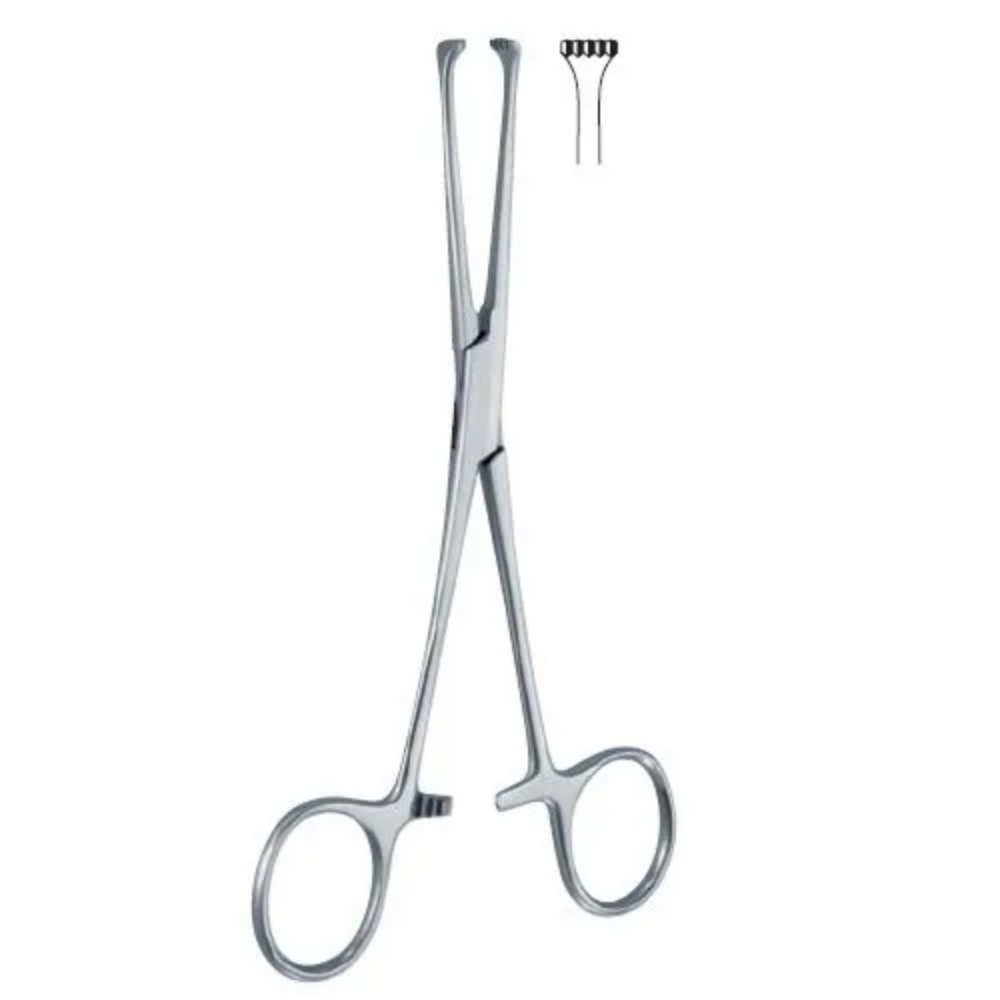

ALLIS TISSUE FORCEPS Specification
- Instruments Type
- Surgical Instrument
- Accuracy
- High precision for tissue manipulation
- Usage Type
- Reusable
- Storage Instructions
- Store in a dry, clean environment; sterilize before use
- Function
- To hold, grip, or retract tissues during surgical procedures
- Features
- Serrated jaws, ratcheted handle, anti-corrosive finish
- Shelf Life
- Long-lasting with proper care
- Equipment Type
- Surgical Forceps
- Material
- Stainless Steel
- Condition
- New
- Technology
- Manual
- Portable
- Yes
- Wall Mounted
- No
- Real-Time Operation
- Yes
- Noise Level
- Silent
- Operating Type
- Handheld
- Use
- Grasping and holding tissues during surgery
- Dimension (L*W*H)
- Predominantly 6 inches (may vary by model)
- Weight
- Approx. 40-60 grams (depending on size)
- Color
- Silver (metallic)
- Handle Type
- Finger ring, ratchet-lock mechanism
- Jaw Type
- Serrated, multi-teeth for secure grip
- Length Options
- 4 inches, 5 inches, 6 inches, 7 inches (variants available)
- Sterilization
- Autoclavable
- Surface Finish
- Matte or satin
- Corrosion Resistance
- Yes, medical grade
- Application
- General surgery, gynecology, tissue handling
About ALLIS TISSUE FORCEPS
An Allis clamp (also called the Allis forceps) is a commonly used surgical instrument. It was invented by Oscar Allis.
- The Allis clamp is a surgical instrument with sharp teeth, used to hold or grasp heavy tissue. It is also used to grasp fascia and soft tissues such as breast or bowel tissue.[1] Allis clamps can cause damage, so they are often used in tissue about to be removed.
- When used to grasp the cervix to stabilize the uterus, such as when an intrauterine device is being inserted, an Allis clamp has the advantage of causing less bleeding than the more commonly used tenaculum (sin. Pozzi forceps).[2]
-
An Allis clamp (also called the Allis forceps) is a commonly used surgical instrument. It was invented by Oscar Allis.
- The Allis clamp is a surgical instrument with sharp teeth, used to hold or grasp heavy tissue. It is also used to grasp fascia and soft tissues such as breast or bowel tissue.[1] Allis clamps can cause damage, so they are often used in tissue about to be removed.
- When used to grasp the cervix to stabilize the uterus, such as when an intrauterine device is being inserted, an Allis clamp has the advantage of causing less bleeding than the more commonly used tenaculum (sin. Pozzi forceps).[2]
Secure Handling & Precise Control
Engineered with serrated, multi-teeth jaws and a ratcheted finger ring handle, the Allis Tissue Forceps grant surgeons superior control during tissue handling tasks. The reliable grip ensures tissue is held securely without excessive trauma, crucial for delicate surgical procedures.
Premium Construction & Finish
Forged from medical-grade stainless steel, these forceps are built to resist corrosion and maintain their integrity through countless sterilization cycles. The matte or satin surface finish minimizes reflections, providing clear visibility and a professional aesthetic in the surgical environment.
Versatile & Reliable for Every Procedure
Available in various lengths (4 to 7 inches), these forceps suit a range of surgical applications like general and gynecological procedures. Their ergonomic design, silent operation, and lightweight construction make them ideal for handheld use, enhancing workflow in any medical setup.
FAQ's of ALLIS TISSUE FORCEPS:
Q: How are Allis Tissue Forceps sterilized before surgical use?
A: Allis Tissue Forceps are autoclavable, meaning they should be sterilized using a standard autoclave before every use to ensure proper hygiene and prevention of infection during surgical procedures.Q: What benefits do the serrated, multi-teeth jaws provide during surgery?
A: The serrated, multi-teeth jaws offer a secure and non-slip grip on tissue, minimizing the risk of accidental slippage and allowing for precise tissue manipulation and retraction.Q: When should different length variants of Allis Tissue Forceps be used?
A: Different lengths (4, 5, 6, or 7 inches) accommodate various procedures and surgeon preferences. Shorter sizes suit fine, delicate work, while longer forceps are ideal for deeper tissue access or larger areas.Q: Where are Allis Tissue Forceps commonly used?
A: These forceps are widely utilized in general surgery, gynecology, and any procedure requiring consistent tissue hold, making them a staple in operating rooms, clinics, and hospitals.Q: What is the recommended process for storing the forceps after use?
A: After cleaning and thorough sterilization, store the forceps in a dry, clean environment to preserve their anti-corrosive qualities and extend their operational life.Q: How does the ratchet-lock mechanism benefit tissue manipulation?
A: The ratchet-lock mechanism maintains tension on the tissue without requiring constant manual pressure, allowing the surgeon to work with greater precision and reduced hand fatigue. Get Latest Price
Tell us about your requirement

Price:
Quantity
Select Unit
- 50
- 100
- 200
- 250
- 500
- 1000+
Additional detail
Mobile number
Email

More Products in Intubation Devices And Accessories Category
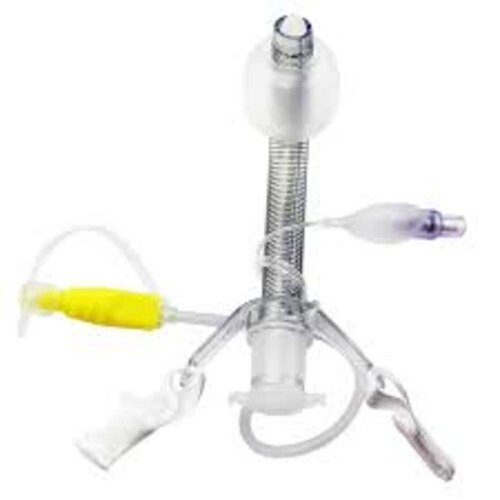
Adjustable Cuffed Reinforced suction Tracheostomy
Price 155.0 INR / Piece
Minimum Order Quantity : 10 Pieces
Color : Transparent (Clear tube with blue or green line marking)
Condition : Other, New, Sterile
Material : Other, Medical Grade PVC, Reinforced Spiral Wire
Portable : Yes
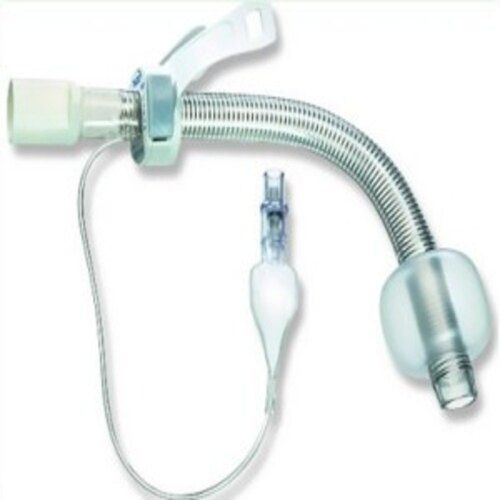
Adjustable Cuffed Reinforced Tracheostomy Tube
Price 1350 INR / Piece
Minimum Order Quantity : 10 Pieces
Color : Transparent with Blue Line
Condition : New
Material : Other, Medical Grade PVC, Reinforced with Spiral Wire
Portable : Yes
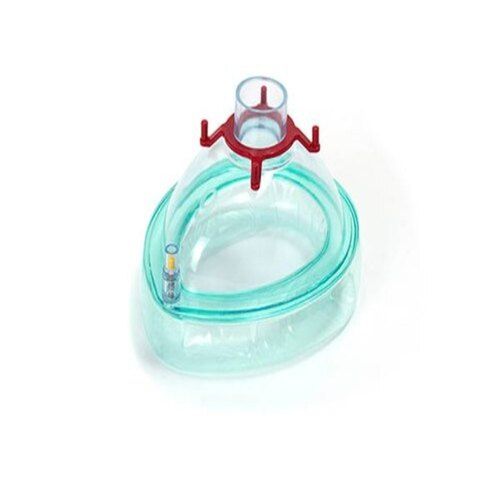
Green PVC Scented Anaesthetic Face Mask
Price 650 INR / Piece
Minimum Order Quantity : 10 Pieces
Color : Transparent Green
Condition : New
Material : Other, Green PVC (Polyvinyl Chloride)
Portable : Yes

OSTOMY SKIN CONDITIONING CREAM
Price 1950 INR / Piece
Minimum Order Quantity : 10 Pieces
Color : White or OffWhite Cream
Condition : New
Material : Other, Dermatologically Tested Ingredients
Portable : Yes

Mark Enterprises
GST : 09CGDPG2368E1ZJ
GST : 09CGDPG2368E1ZJ
56/A, Gali No-3, Jai Bharat Enclave, Sahibabad, Lajpat Nagar,Ghaziabad - 201005, Uttar Pradesh, India
Phone :08045813058

 Send Inquiry
- Breathing Circuit and Accessories
- Airway Management
- Intubation Devices And Accessories
- Tracheostomy Tube
- Endotracheal Tube
- Anaesthesia Face Mask
- CPAP And BIPAP Mask And Accessories
- HMES And HMFS Breathing Filter
- Oxygen And Nebulization Therapy Products
- Neonatal Care Products
- Gel Positioner
- Medical Grade CSSD Products
- Catheter Kit
- Suction Tube
- Besmed NICU Care Products
- Surgical Gown
- Nasal Cannula
- Urology Products
- Infusion Pump
- Prone Head Positioner With Mirror
- Cautery Pencil
- Pulse Oximeter
- Nebulizer Machine
- Foley Catheter
- Oxygen Flow Meter
- Strile Spiral Extension Line
- Yankauer Suction Set
- CPAP System
- AIRWAY TUBE
- AMBU BEG
 Send Inquiry
 Send SMS
 Call Me Free
Mark Enterprises
All Rights Reserved.(Terms of Use)
Developed and Managed by Infocom Network Private Limited.
Developed and Managed by Infocom Network Private Limited.

