

Call us now
08045813058
Silicon Blocks SILICONE

Silicon Blocks SILICONE Specification
- Usage Type
- Reusable
- Shelf Life
- Long (depends on use)
- Features
- Heat Resistant, Durable, Non-Stick
- Function
- Insulating, Cushioning, Sealing
- Storage Instructions
- Store in a cool, dry place
- Equipment Type
- Silicon Blocks
- Material
- Silicone
- Condition
- New
- Technology
- Moulded Silicone
- Portable
- Yes
- Wall Mounted
- No
- Operating Type
- Manual
- Use
- For Industrial and Laboratory Applications
- Dimension (L*W*H)
- Customized
- Weight
- Variable
- Color
- White
- Hardness
- Medium to High (as per requirement)
- Shape
- Block
- Temperature Resistance
- Up to 230°C
- Toxicity
- Non-Toxic
- Chemical Resistance
- Excellent resistance to chemicals and solvents
- Customization
- Available
About Silicon Blocks SILICONE
Silicon blocksSilicon blocks are available in various purities and are used in different applications. Here are some details about silicon blocks:
- 99% Silicon Blocks: These are available with the product code SI-E-02-BLC. They are priced based on order quantity and come with technical data and safety data sheets.
- 99.9% Silicon Blocks: These blocks have the product code SI-E-03-BLC and are also priced based on order quantity. They include technical data and safety data sheets.
- 99.99% Silicon Blocks: With the product code SI-E-04-BLC, these blocks are priced based on order quantity and come with technical data and safety data sheets.
- 99.999% Silicon Blocks: These blocks, with the product code SI-E-05-BLC, are priced based on order quantity and include technical data and safety data sheets.
Silicon blocks have a theoretical molecular weight of 28.08 and appear as blocks. They have a melting point of 1414 C and a boiling point of 2900 C. The density of silicon blocks is 2330 kg/m3. They are insoluble in water and have a thermal conductivity of 1.49 W/cm/K at 298.2 K.
Customizable for Diverse Requirements
These silicone blocks can be manufactured according to precise size, shape, and hardness requirements. Whether you are operating a laboratory needing precise insulation or managing industrial applications requiring robust cushioning or sealing, these blocks are tailored for your unique specifications.
Exceptional Chemical and Heat Resistance
With the ability to withstand temperatures up to 230C and resist various chemicals and solvents, Silicon Blocks SILICONE are engineered for environments where durability is imperative. Their performance remains consistent across demanding conditions, providing reliable protection and longevity.
Safe, Non-Toxic, and Easy to Use
Produced from non-toxic, moulded silicone, the blocks are entirely safe for ongoing use. They are reusable, maintain a long shelf life, and their portable design ensures ease of handling and integration into various setups. Proper storage in a cool, dry place ensures lasting performance.
FAQ's of Silicon Blocks SILICONE:
Q: How can I customize the size and hardness of Silicon Blocks SILICONE for my application?
A: You can specify your required dimensions (length, width, height) as well as the desired hardness (from medium to high) when placing your order. The manufacturer will mold the silicone blocks to match your precise needs, ensuring optimal performance in your intended application.Q: What are the main benefits of using Silicon Blocks SILICONE in industrial and laboratory settings?
A: These blocks offer exceptional chemical and heat resistance, up to 230C, making them ideal for demanding environments. Their non-toxic, reusable nature, combined with insulating, cushioning, and sealing capabilities, ensures safety, durability, and long-term cost-effectiveness.Q: When should I consider using Silicon Blocks SILICONE over other materials?
A: Choose these silicone blocks when high thermal resistance, superior chemical resilience, and a non-stick surface are needed. They are especially advantageous in scenarios requiring durable, reusable, and customizable materials for insulation, sealing, or protection.Q: Where can Silicon Blocks SILICONE be used most effectively?
A: Silicon Blocks SILICONE are designed for industrial and laboratory applications where high-performance insulating, cushioning, or sealing is critical. Their versatile customization and portable design also make them suitable for a wide range of specialized uses.Q: What is the process for maintaining and storing these silicone blocks?
A: To prolong their shelf life, store the blocks in a cool, dry place. Clean them after use with suitable solvents if exposure to chemicals occurs. Their durable silicone construction ensures they remain effective and reusable with minimal maintenance.Q: How does the non-toxic property of Silicon Blocks SILICONE benefit my operation?
A: The non-toxic nature of these silicone blocks ensures that they are safe for use in sensitive environments, reducing health risks and regulatory concerns-especially important in laboratories or industries handling delicate materials or processes. Get Latest Price
Tell us about your requirement

Price:
Quantity
Select Unit
- 50
- 100
- 200
- 250
- 500
- 1000+
Additional detail
Mobile number
Email

More Products in Intubation Devices And Accessories Category
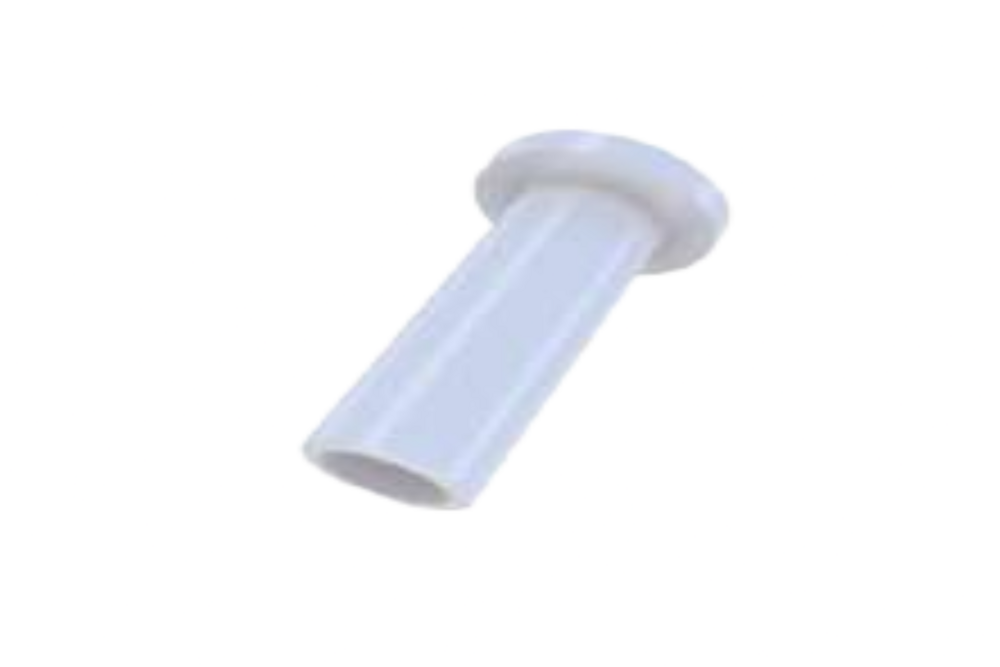
Fluoroplastic Partial Prosthesis ( PORP )
Price 1250 INR / Piece
Minimum Order Quantity : 10 Pieces
Use : Partial Ossicular Reconstruction (PORP) in Ear Surgery
Condition : New
Material : Other, Fluoroplastic (Polymethylpentene, PMP)
Color : White (Opaque)
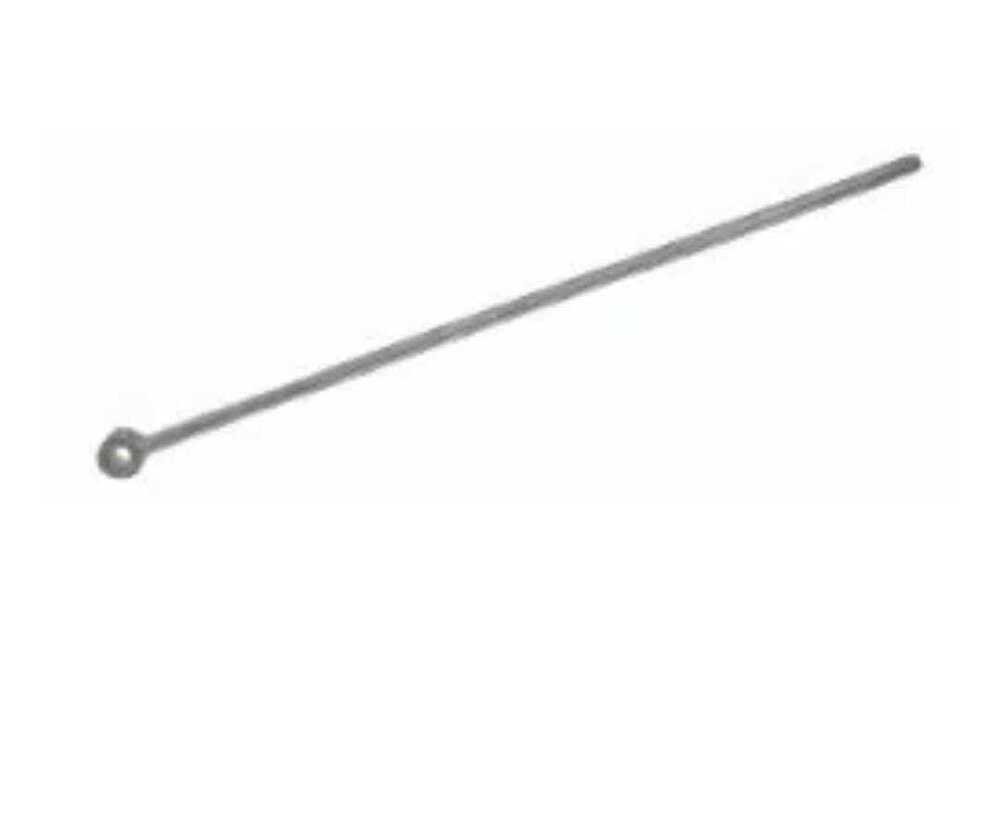
12MM ROD FOR NATHANSON & FLEXI-ARM
Price 1650 INR / Piece
Minimum Order Quantity : 10 Pieces
Use : Laparoscopic Surgery / Retractor Support
Condition : New
Material : Other, Stainless Steel
Color : Metallic Silver

UTERINE FORCEPS
Price 2500 INR / Piece
Minimum Order Quantity : 10 Pieces
Use : Gynecological Surgical Procedures
Condition : New
Material : Other, Stainless Steel
Color : Silver (Metallic Finish)
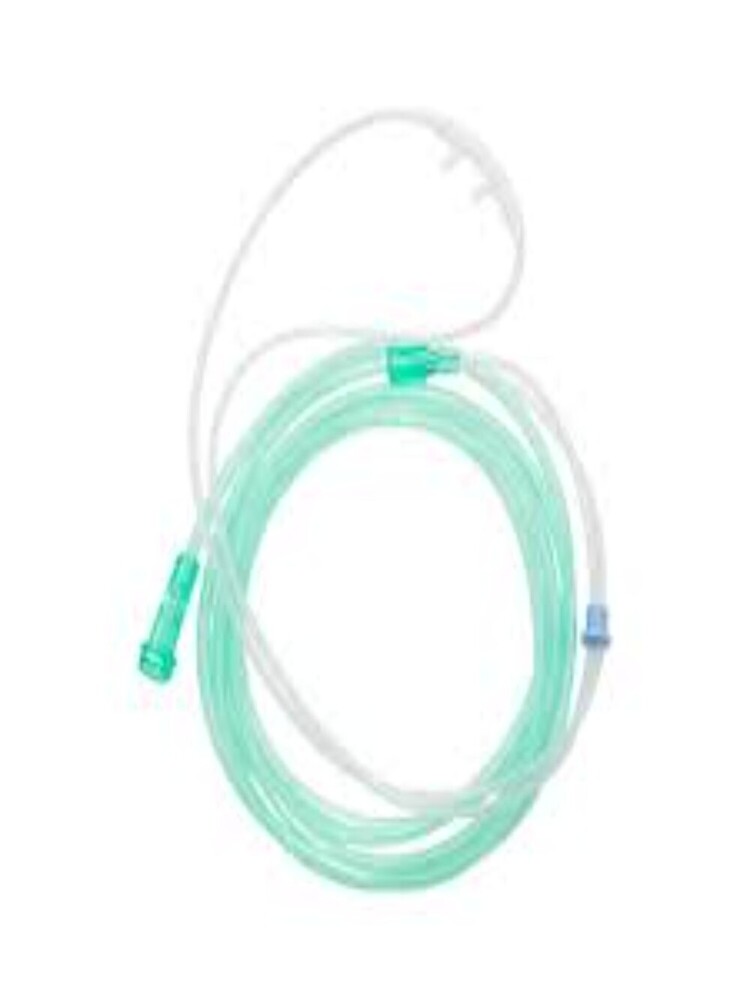
SLEEP NASAL CANNULA
Price 1250 INR / Piece
Minimum Order Quantity : 10 Pieces
Use : Oxygen delivery for sleep therapy
Condition : New
Material : Other, Medical grade PVC
Color : Transparent

Mark Enterprises
GST : 09CGDPG2368E1ZJ
GST : 09CGDPG2368E1ZJ
56/A, Gali No-3, Jai Bharat Enclave, Sahibabad, Lajpat Nagar,Ghaziabad - 201005, Uttar Pradesh, India
Phone :08045813058

 Send Inquiry
- Breathing Circuit and Accessories
- Airway Management
- Intubation Devices And Accessories
- Tracheostomy Tube
- Endotracheal Tube
- Anaesthesia Face Mask
- CPAP And BIPAP Mask And Accessories
- HMES And HMFS Breathing Filter
- Oxygen And Nebulization Therapy Products
- Neonatal Care Products
- Gel Positioner
- Medical Grade CSSD Products
- Catheter Kit
- Suction Tube
- Besmed NICU Care Products
- Surgical Gown
- Nasal Cannula
- Urology Products
- Infusion Pump
- Prone Head Positioner With Mirror
- Cautery Pencil
- Pulse Oximeter
- Nebulizer Machine
- Foley Catheter
- Oxygen Flow Meter
- Strile Spiral Extension Line
- Yankauer Suction Set
- CPAP System
- AIRWAY TUBE
- AMBU BEG
 Send Inquiry
 Send SMS
 Call Me Free
Mark Enterprises
All Rights Reserved.(Terms of Use)
Developed and Managed by Infocom Network Private Limited.
Developed and Managed by Infocom Network Private Limited.

