

Call us now
08045813058
SEQUENTIAL COMPRESSION DEVICE
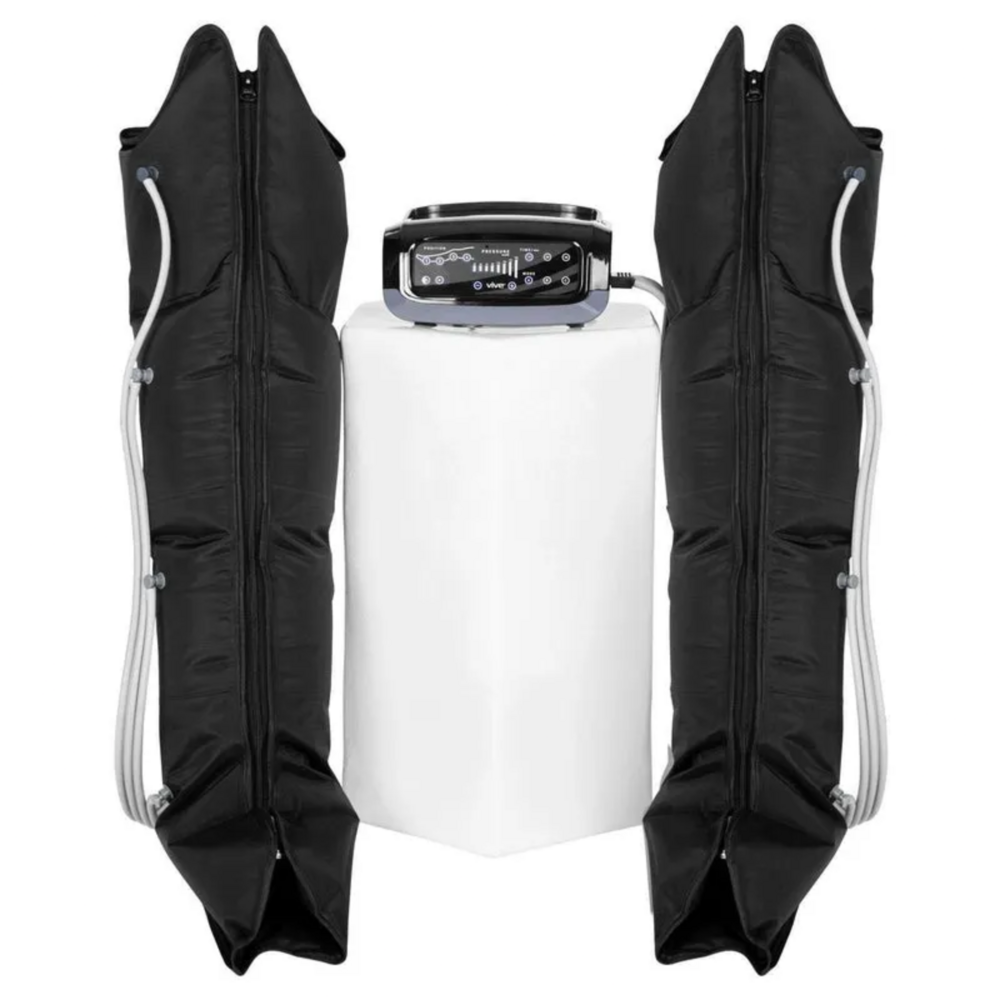
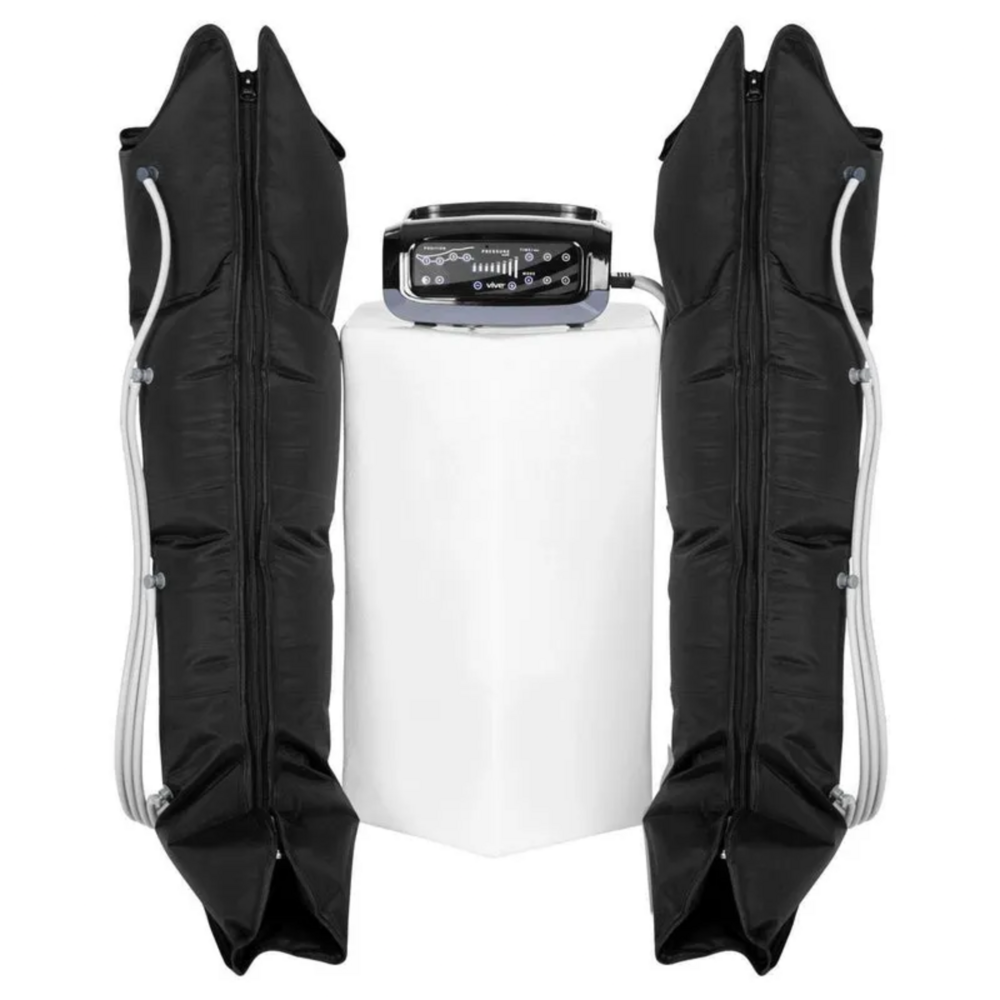
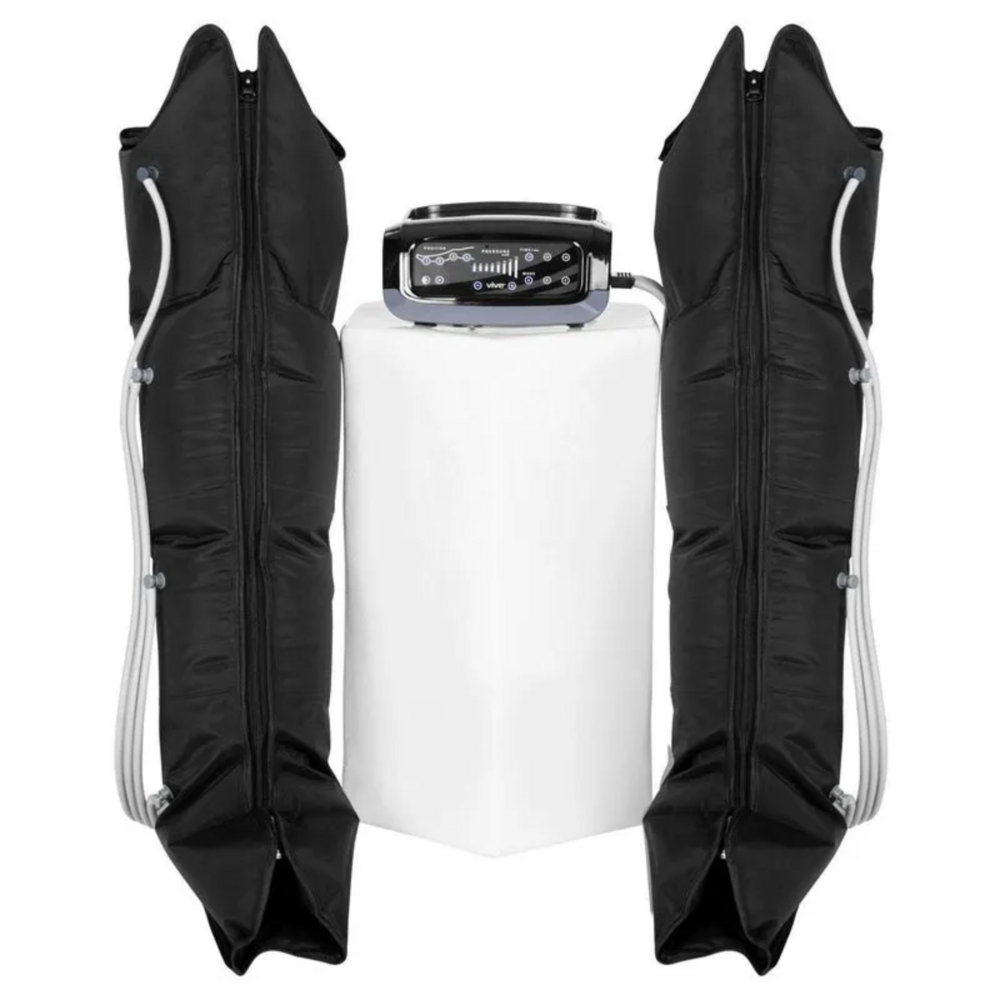
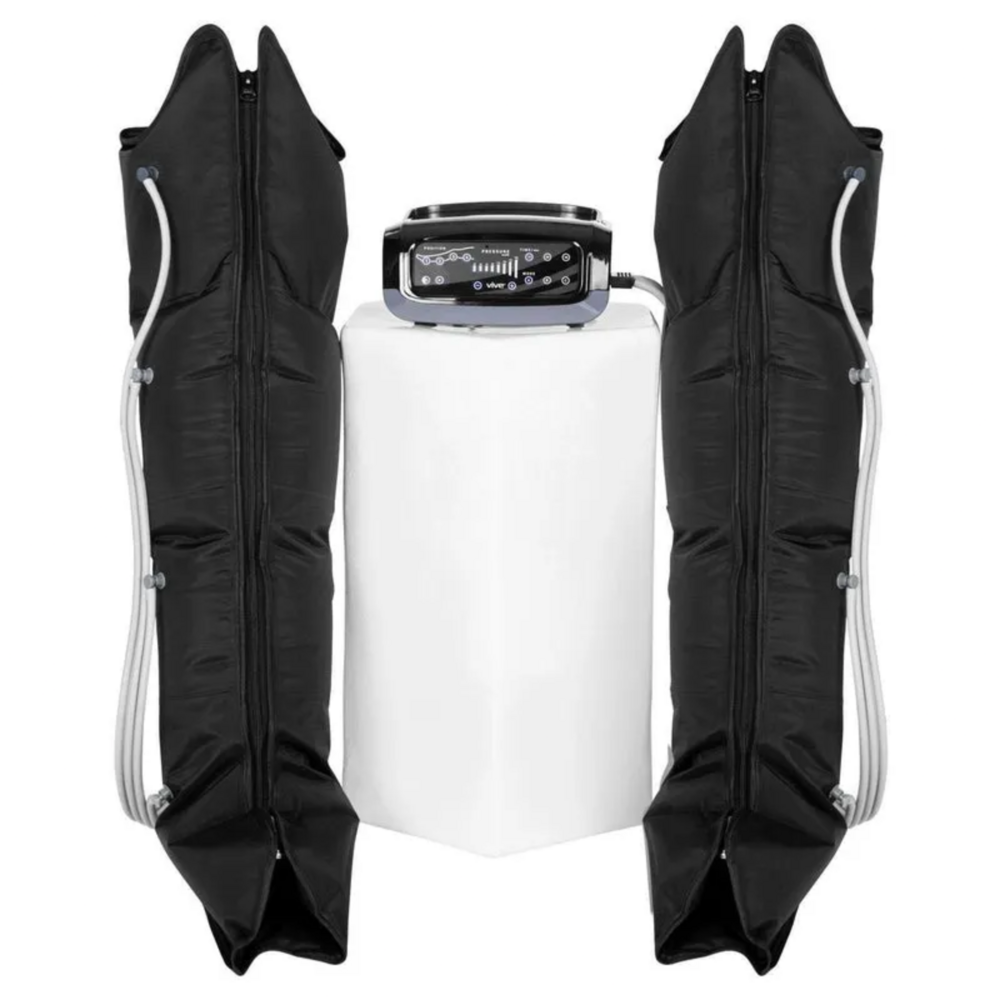

SEQUENTIAL COMPRESSION DEVICE Specification
- Display Type
- LCD Display
- Instruments Type
- Therapeutic medical device
- Function
- Sequential limb compression
- Frequency
- 50Hz
- Accuracy
- Pressure accuracy 10%
- Features
- Adjustable pressure, automatic timer, easy to use, mobile
- Storage Instructions
- Store in a dry, cool place away from direct sunlight
- Measurement Range
- 0200 mmHg
- Usage Type
- Hospital, Clinical, Home care
- Equipment Type
- Sequential Compression Device
- Material
- High-grade Medical PVC / Nylon Fabric
- Condition
- New
- Technology
- Pneumatic Compression
- Portable
- Yes
- Wall Mounted
- No
- Real-Time Operation
- Yes
- Noise Level
- < 40 dB
- Operating Type
- Electric, Automatic
- Use
- Improves blood circulation, prevents deep vein thrombosis (DVT)
- Power Source
- Electric
- Power Consumption
- 40 - 70 W
- Voltage
- AC 220V / 50Hz
- Dimension (L*W*H)
- Approximately 300 x 220 x 100 mm
- Weight
- 2.8 kg (approx.)
- Color
- White & Blue
- Pressure Settings
- Adjustable, 20200 mmHg
- Cycle Time
- 60120 seconds (adjustable)
- Safety Features
- Automatic shut-off, audible alarm
- Leg Cuff Size
- Standard and large sizes available
- Chamber System
- 2 or 3 Chamber options
- Cuff Material
- Latex-free, skin-friendly material
About SEQUENTIAL COMPRESSION DEVICE
Sequential Compression DeviceA Sequential Compression Device (SCD) is a medical device used to prevent deep vein thrombosis (DVT) by improving blood flow in the legs. It works by wrapping inflatable sleeves around the legs, which inflate and deflate in sequence, mimicking the action of walking and helping to prevent blood clots. Here are some key points about SCDs:
- Purpose: SCDs are used to prevent DVT, especially in patients who are immobile or at risk due to surgery or other medical conditions.
- Function: The device inflates several chambers of leg sleeves starting from the ankle and moving upwards, gently squeezing the legs to increase blood circulation and push blood towards the heart.
- Usage: They must be worn when the patient is in bed or sitting in a chair, but should be removed for walking.
- Types: There are various models available, such as the Kendall 7325 Digital SCD, which is a clinically proven therapy that minimizes the incidence of DVT.
- Alternatives: Intermittent pneumatic compression (IPC) devices serve a similar purpose, using inflatable sleeves around the calves to help blood circulate and prevent blood clots. These can be used as an alternative to blood thinners for those who cannot take them.
- Benefits: Besides preventing DVT, SCDs can help increase blood circulation, reduce swelling, and provide an alternative to additional pharmaceuticals post-surgery.
These devices are essential for patients wh
Advanced Compression Technology
Leveraging pneumatic compression with selectable 2 or 3 chamber options, this device delivers precise, sequential limb compression for optimal therapeutic outcomes. The adjustable cycle time and pressure range allow tailored treatment for individual patient needs, making it a versatile choice for healthcare providers and home users alike.
Comfort and Safety First
Built with skin-friendly, latex-free materials and available in different sizes, this compression device ensures both comfort and protection. Safety is enhanced through automatic shut-off and audible alarms, while real-time operation and an easy-to-read LCD display provide peace of mind during use.
Ideal for Multiple Settings
Compact, portable, and easy to operate, this device is equally suited for hospitals, clinics, and home care situations. Its energy-efficient design (40-70 W) and user-friendly interface support convenient storage and frequent mobility, without compromising therapeutic effectiveness.
FAQ's of SEQUENTIAL COMPRESSION DEVICE:
Q: How does a sequential compression device with a chamber system improve blood circulation?
A: The device utilizes pneumatic compression to apply controlled, sequential pressure to the legs through its 2 or 3 chamber cuffs. This sequential inflation and deflation promote venous return, helping to prevent blood stagnation and reduce the risk of deep vein thrombosis (DVT).Q: What is the process for using this compression device at home or in a clinical setting?
A: To use, wrap the appropriate cuff size around the patient's leg, connect it to the unit, adjust the pressure and cycle time as recommended, and start the device. The system automatically cycles and monitors the therapy, with real-time data displayed on the LCD. Its portable design allows independent use in hospitals, clinics, or home care.Q: What safety features does the device offer during operation?
A: Built-in safety measures include an automatic shut-off feature and an audible alarm to alert users of any irregularities. The cuffs are constructed from latex-free, skin-friendly materials to prevent allergic reactions and irritation during prolonged use.Q: What are the available leg cuff sizes, and are they comfortable for extended therapy sessions?
A: Cuffs come in standard and large sizes to fit various leg circumferences. The latex-free, medical-grade PVC and nylon fabric construction ensures a comfortable experience, even during extended use.Q: Where should the device be stored when not in use?
A: For longevity and optimal performance, store the device in a cool, dry environment, away from direct sunlight and moisture. This helps maintain the integrity of the materials and electronic components.Q: When should this sequential compression device be used?
A: The device is recommended for individuals at risk of poor blood circulation or DVT, such as bedridden patients, those recovering from surgery, or anyone with limited mobility. Its use should always be based on a healthcare provider's guidance to ensure safety and effectiveness. Get Latest Price
Tell us about your requirement

Price:
Quantity
Select Unit
- 50
- 100
- 200
- 250
- 500
- 1000+
Additional detail
Mobile number
Email

More Products in Intubation Devices And Accessories Category
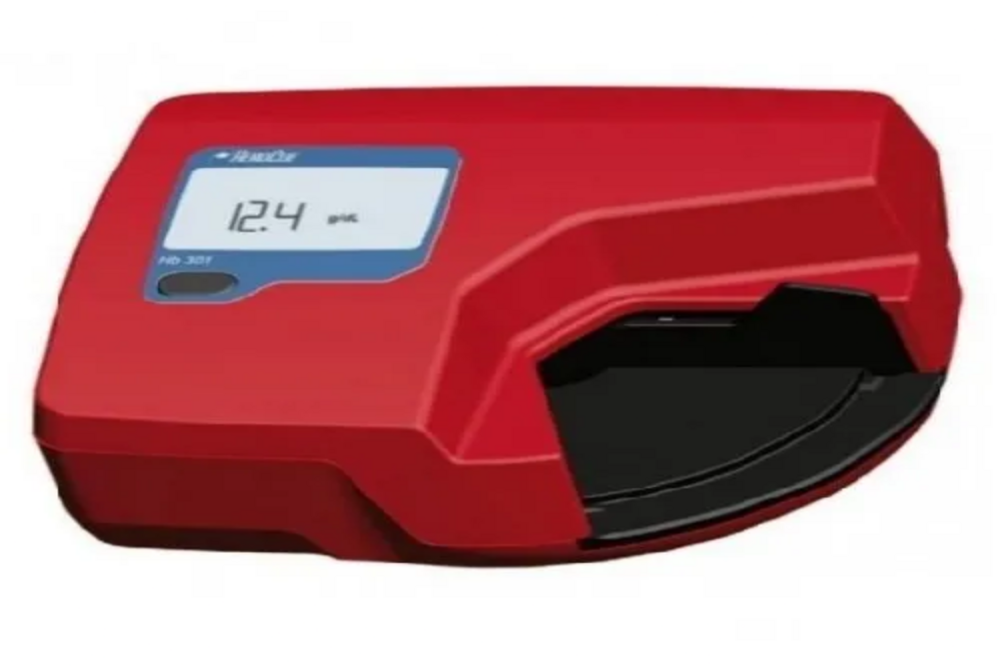
Semi Automatic Hemocue 201 Hemoglobin Analyzer
Price 26000 INR / Piece
Minimum Order Quantity : 10 Pieces
Material : Other, ABS Plastic Body
Color : Red & White
Condition : New
Use : Hemoglobin Level Detection in Blood
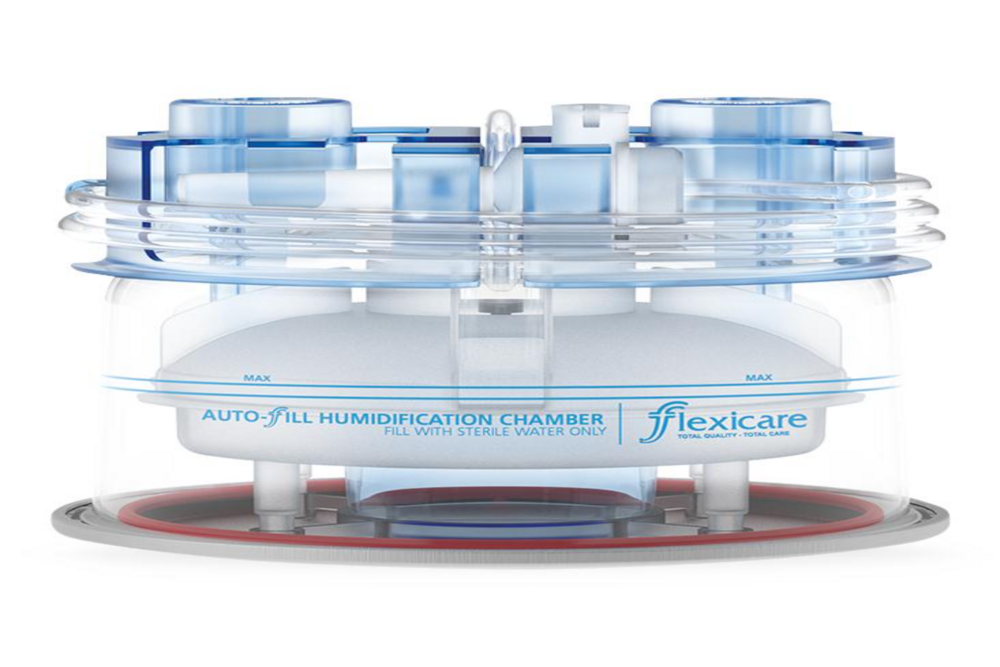
HUMIDIFICATION CHAMBERS DOUBLE VALVE SYSTEM
Price 1250 INR / Piece
Minimum Order Quantity : 10 Pieces
Material : Other, Medicalgrade Polycarbonate and Silicone
Color : Transparent/Blue
Condition : New
Use : Medical Respiratory Care/Humidification in Ventilator Circuits
Clip Stapes Piston
Price 1450 INR / Piece
Minimum Order Quantity : 10 Pieces
Material : Other, Titanium
Color : Silver
Condition : New
Use : Stapedectomy, Otology Surgery
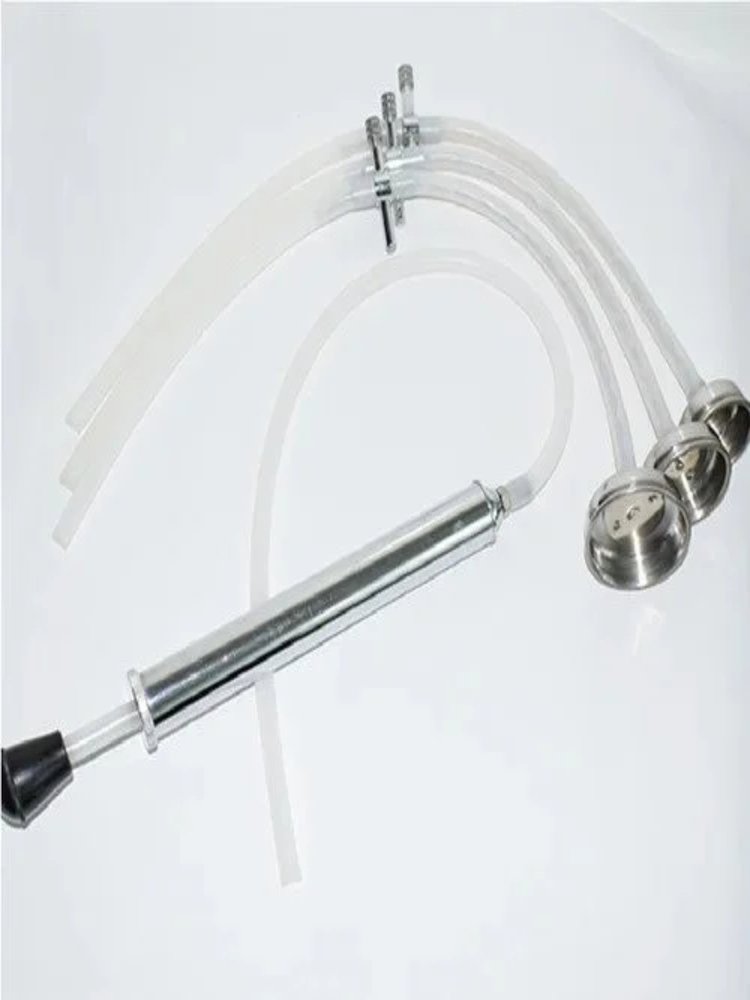
VACUUM METAL CUP WITH SILICONE TUBE
Price 1450 INR / Piece
Minimum Order Quantity : 10 Pieces
Material : Other, Stainless steel (cup), Silicone (tube)
Color : Silver (cup), Transparent/white (silicone tube)
Condition : New
Use : Laboratory, chemical, and industrial liquid transfer

Mark Enterprises
GST : 09CGDPG2368E1ZJ
GST : 09CGDPG2368E1ZJ
56/A, Gali No-3, Jai Bharat Enclave, Sahibabad, Lajpat Nagar,Ghaziabad - 201005, Uttar Pradesh, India
Phone :08045813058

 Send Inquiry
- Breathing Circuit and Accessories
- Airway Management
- Intubation Devices And Accessories
- Tracheostomy Tube
- Endotracheal Tube
- Anaesthesia Face Mask
- CPAP And BIPAP Mask And Accessories
- HMES And HMFS Breathing Filter
- Oxygen And Nebulization Therapy Products
- Neonatal Care Products
- Gel Positioner
- Medical Grade CSSD Products
- Catheter Kit
- Suction Tube
- Besmed NICU Care Products
- Surgical Gown
- Nasal Cannula
- Urology Products
- Infusion Pump
- Prone Head Positioner With Mirror
- Cautery Pencil
- Pulse Oximeter
- Nebulizer Machine
- Foley Catheter
- Oxygen Flow Meter
- Strile Spiral Extension Line
- Yankauer Suction Set
- CPAP System
- AIRWAY TUBE
- AMBU BEG
 Send Inquiry
 Send SMS
 Call Me Free
Mark Enterprises
All Rights Reserved.(Terms of Use)
Developed and Managed by Infocom Network Private Limited.
Developed and Managed by Infocom Network Private Limited.

